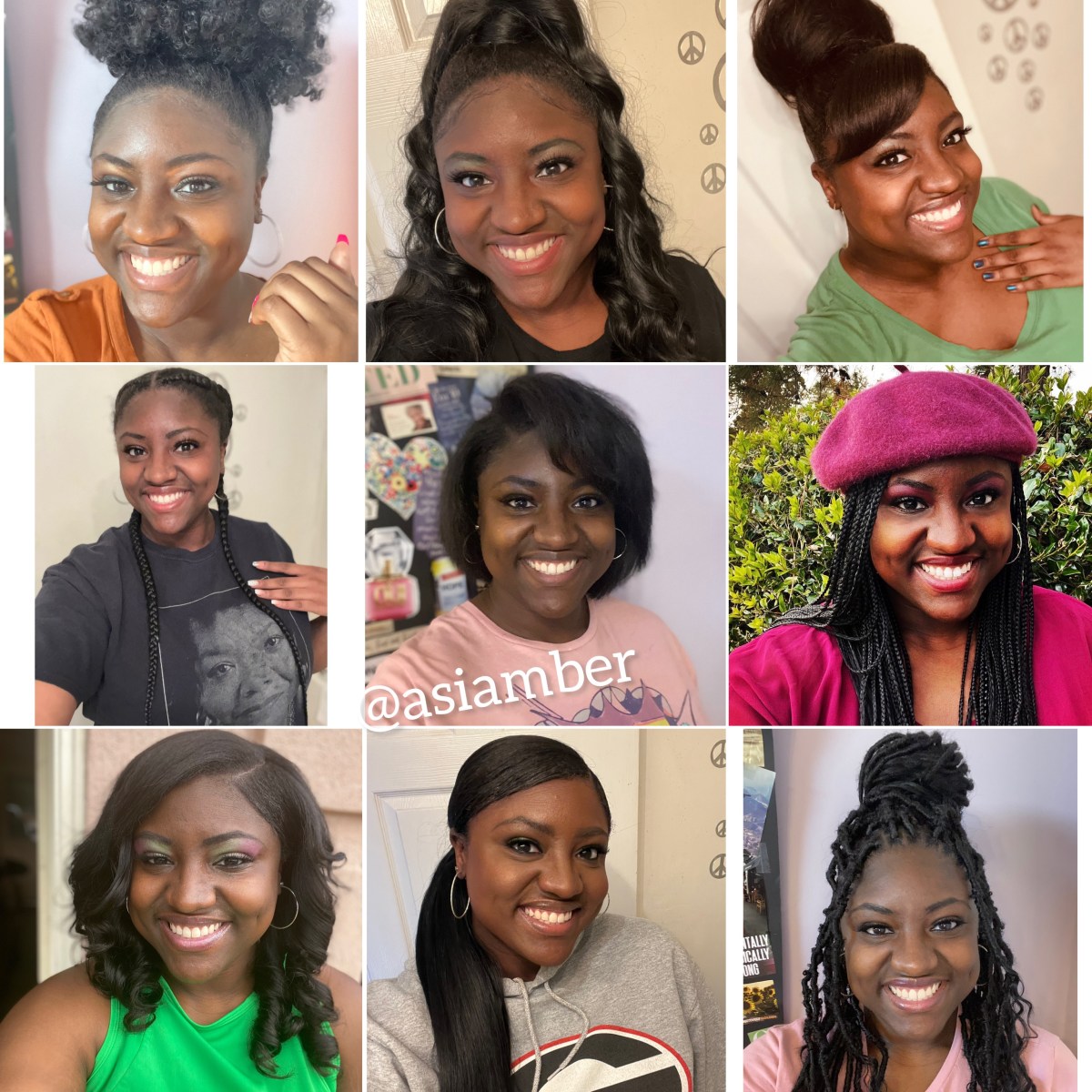
I like the choice of wearing my hair in different styles. Most of the time it’s because I get bored easily and other times I just don’t feel like doing my thick hair or permanently having my hair look the same everyday like a cartoon character. Some say “it’s just hair”, but to me, it’s not. Haircare is a multi-million-dollar industry and hair is sensitive and controversial topic. Even comedian, Chris Rock, did a controversial documentary back in 2009 called “Good Hair” about black women and their relationship with natural hair, hair straighteners, and weaves and more recently a Hulu documentary called “Hair Tales” talks about the generational and cultural differences between Black women and hair. I have always noticed how some people treat others differently based off of their hair texture, hair color, hair length and hair style. I have also been treated differently or receive more or less attention depending on how my hair looks.

More recently film maker, Matthew A. Cherry’s , animated short film “Hair Love” about a black father styling his daughter’s natural hair won an Academy Award. More and more black people are embracing their natural curls and coils. However not every person, workplace, or environment is as accepting. The state of California is one of the first states to ban discrimination based off of ones natural hair, with The Crown Act, but other places have currently not followed suit. Recently I’ve read dozens of articles on how some people have been suspended from schools, sports teams, fired from jobs and even told they would not be able to walk at graduation ceremonies, not because of the content of their character, but simply because of their hair texture, hair color, or hair style preference. Why are we judging someone solely off their natural hair and not their character?
In our society depending on the community or culture hair that is straighter or wavier or long is considered ‘good’ and anything that is not like that is considered ‘bad’. I had relaxers (chemical hair straightening) for 14 years of my life and at age 19 I decided to stop getting relaxers and “go natural” (stopped using chemical straightening). I decided to go natural because the stylist I had been going to moved and I was away in college in another city and didn’t feel like experimenting with any more different stylists who said they did relaxers, but ended up damaging people’s hair. I was also curious how my natural hair looked because I couldn’t remember a time when I didn’t have relaxers. I also did not want to cut all my hair off so I transitioned by getting weaves and braids. 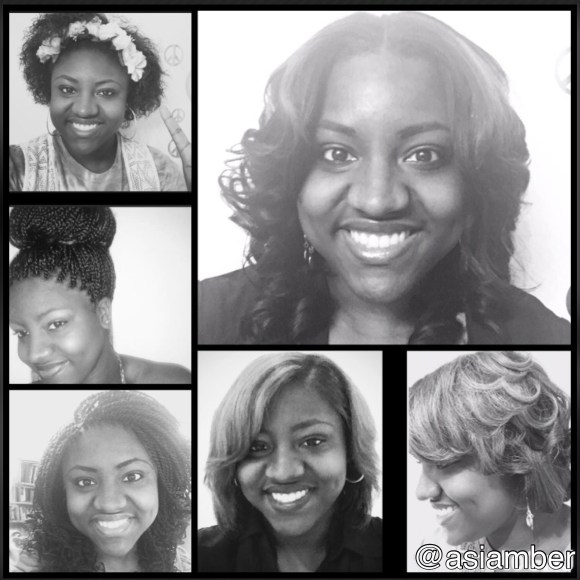
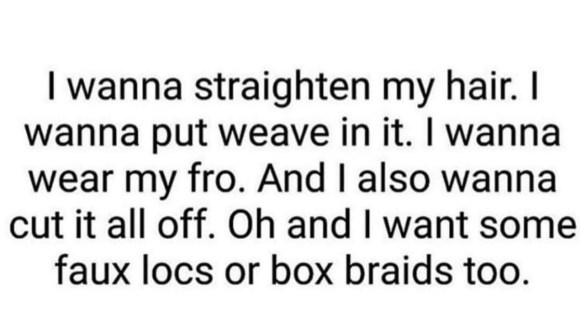
I have now been relaxer free for 12 years. I get my hair blown out and flat ironed and I sometimes wear it un-straightened. One thing that I’ve noticed is that my natural hair is healthier and thicker than it was when I was getting relaxers. I still like to wear braids and weaves simply because I think they’re pretty and less maintenance, especially when exercising. There is nothing wrong with wanting versatility in hair. Just because you choose to wear your natural hair chemical free, just because you choose to get relaxers, just because you choose not to wear weave does not make you better or less than. How do you know someone isn’t battling an illness or dealing with hair loss? Not everyone that wears their hair straight or weaved is bald or hates themselves. I find it interesting that whenever I have my hair in a certain style I attract certain people or get more or less attention. I often wonder why this is. I wonder if people think about that when they’re speaking to a person. Whatever happened to style preference and upkeep? What if you want your hair straight today and curly next week? What if you want length and don’t have the patience to wait until it grows a certain length? What if you want to have short hair without actually cutting your own hair? All I want to say is let’s focus not only on hair style, but what’s underneath, like our hair health and spiritual health.
Here is the Apple Music Playlist for Hair & Self Care and Spotify playlist below.
https://open.spotify.com/playlist/5yYxskT0n2wixFXoTqRrtF?si=BS86ddF2RXScHatTXYfeUw







 The As-I-Amber Podcast & Blog